MotR
VIN Location · Vehicle Identity

Where To Find A VIN Number

Every location where a vehicle's VIN appears — on the car itself, in documents, and why cross-referencing multiple sources is critical when buying used.
Official UK dataFree to useInstant resultsNo account needed
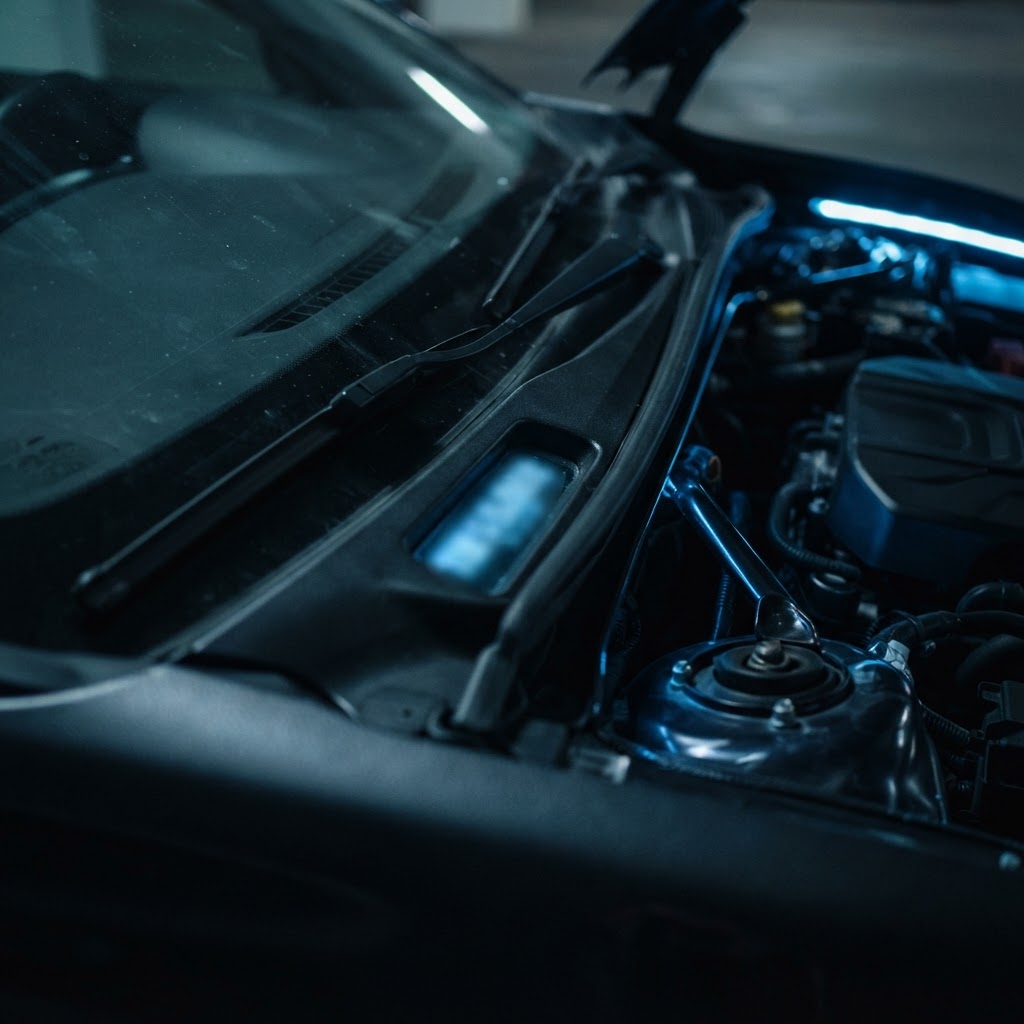
Abstract view through a car windscreen base showing a blurred glowing dashboard VIN plate area with no readable text
Quick answer

All VIN Locations

The VIN appears in at least three locations: the engine bay VIN plate (most authoritative physical source), the windscreen/dashboard corner visible from outside the car, and in the V5C logbook and MOT certificate. Many vehicles also have the VIN etched into the windscreen glass. Always cross-reference at least two sources when verifying a vehicle's identity.
Locations

All VIN Locations on a Vehicle

Primary

Engine bay VIN plate

A stamped metal plate riveted to the bulkhead or firewall in the engine bay. This is the most tamper-evident physical location. Look near the base of the windscreen or on the inner wing.

Primary

Dashboard / windscreen base

Visible through the lower driver's side corner of the windscreen without opening the bonnet. Stamped into a visible plate or on a label. Quickest way to verify during a viewing.

Secondary

Windscreen glass etch

The full VIN or a partial code etched into the windscreen glass. Tamper-evident — replacing an etched windscreen is costly. Not all vehicles have this.

Secondary

Door sill / B-pillar

Many manufacturers include a VIN label on the driver's door sill or B-pillar (the post between front and rear doors). Check the jamb area when you open the door.

Secondary

Under the spare wheel

Some manufacturers stamp or label the VIN in the spare wheel well in the boot floor. Less common but worth checking if other sources are unclear.

Document

V5C logbook

Section 1 of the V5C lists the VIN as 'Chassis/VIN number'. This must match all physical locations exactly.

Document

MOT certificate

The VIN is recorded on the MOT certificate at the time of the test. Compare this to the physical VIN and V5C.

Document

Service history / invoices

Most dealer service records include the VIN at the top of the invoice. Useful for additional cross-referencing.

Red flags

Red Flags: VIN Problems to Watch For

VIN plate is missing entirely from the engine bay
VIN plate shows signs of being removed and refitted (bent rivets, fresh marks)
VIN on vehicle does not match the V5C
VIN on V5C does not match the MOT certificate
Windscreen VIN etch is missing when it should be present
Characters on the VIN plate appear altered or re-stamped
Different VIN found in different locations on the same vehicle
Questions & answers

Frequently Asked Questions

Where is the VIN number on a car?
The most common location is the VIN plate in the engine bay, typically on the bulkhead or near the top of the engine bay near the windscreen. It also appears on a plate visible through the windscreen on the driver's side dashboard, on the V5C logbook, on the MOT certificate, and often as an etching in the windscreen glass.
What does a VIN plate look like?
A VIN plate is a small metal plate, usually stamped or laser-etched with the 17-character code. It is typically riveted to the vehicle's body. Modern vehicles may use adhesive labels in secondary locations. The primary plate in the engine bay is usually the most tamper-evident.
Can I find the VIN without opening the bonnet?
Yes. The VIN is visible through the lower corner of the windscreen on the driver's side dashboard — look from outside the car at the base of the windscreen. This is the most accessible location and avoids having to open the bonnet. It also appears on the V5C and MOT certificate.
What if the VIN plate is missing?
A missing VIN plate is a significant red flag when buying a used car. It could indicate the plate was deliberately removed to conceal the vehicle's identity — common with stolen or cloned vehicles. Do not buy a car with a missing VIN plate without a very clear documented explanation. Consider reporting to police if you suspect fraud.
Do all vehicles have the same number of VIN locations?
No. The number of VIN locations varies by manufacturer and model year. Most vehicles have at least three: engine bay, windscreen/dashboard, and documents. Some manufacturers stamp VINs onto additional structural components such as the sill or door frame for added theft deterrence.
Why is the VIN on the windscreen?
The windscreen VIN is typically a glass etching (VIN etch or window etch) applied as a theft deterrent. Replacing a windscreen with an etched VIN is expensive, making the car less attractive to thieves who would otherwise remove it. It also provides a quickly verifiable secondary reference without opening the bonnet.
Related tools

Related Tools & Resources

VIN location conventions vary by manufacturer. Always cross-reference at least two sources. MotR is not affiliated with DVLA, DVSA, or any vehicle manufacturer. Last reviewed 13 June 2026.

Keep reading

Engine Number Explained

What engine numbers are, where to find them, and why they matter when buying.

Open