Engine Number · Vehicle Identity
Engine Number Explained
Engine numbers are separate from VINs and are stamped directly into the engine block. Understanding how they work — and why mismatches matter — is essential when buying a used car.
Official UK dataFree to useInstant resultsNo account needed
Engine Number vs VIN
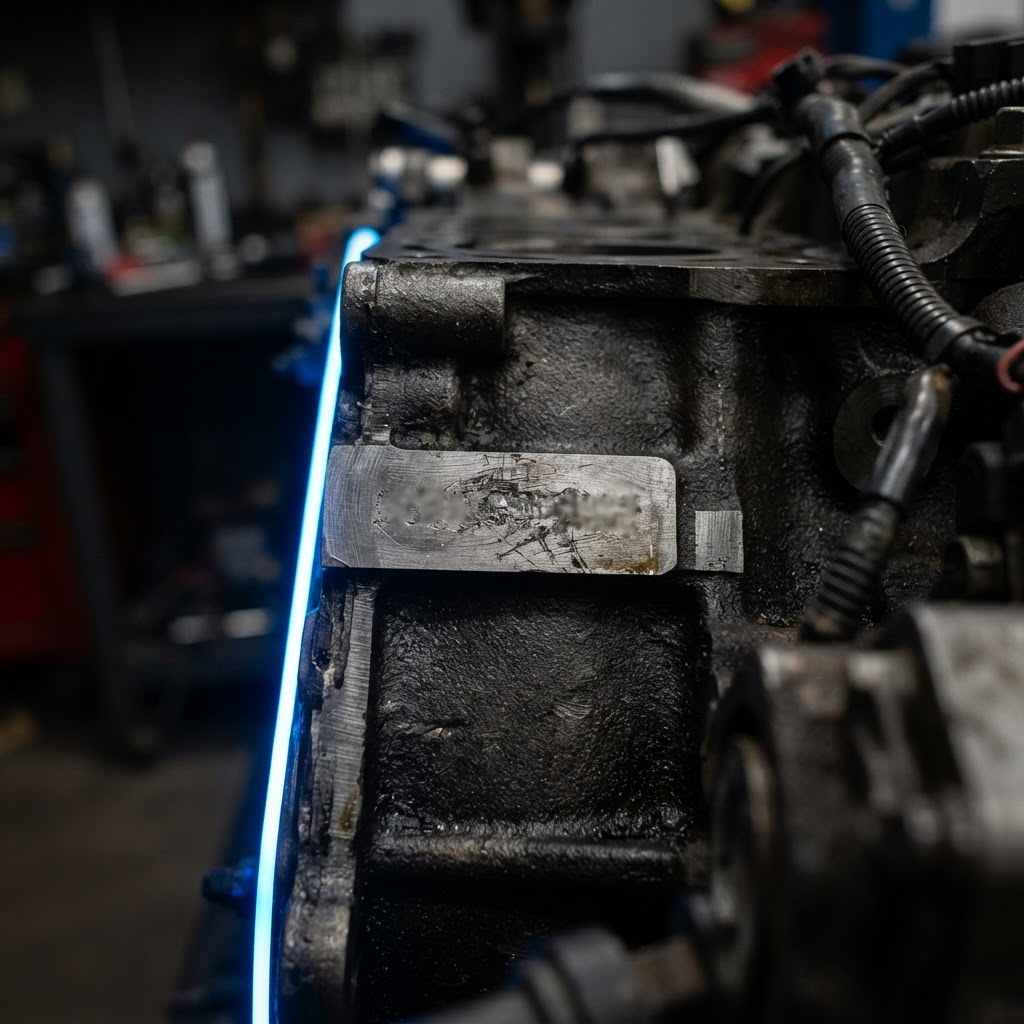
An engine number is a unique serial number stamped into the engine block at manufacture. It identifies the specific engine unit — not the vehicle. The V5C logbook records both the vehicle VIN and the engine number. A mismatch between the engine number on the physical engine and the V5C is a red flag indicating either a legitimate (but undocumented) engine swap, or potential fraud.
Engine Number vs VIN — Key Differences
| VIN | Engine Number | |
|---|---|---|
| Identifies | The complete vehicle | The specific engine unit |
| Length | 17 characters (standardised) | Varies by manufacturer (typically 8–12 characters) |
| Location | Engine bay plate, windscreen, V5C | Stamped into the engine block |
| Changes if… | Vehicle is re-plated (fraud) or brand new | Engine is replaced |
| Recorded on V5C | Yes — section 1 | Yes — section 1 |
| Required for MOT | Yes — verified at test | Not explicitly checked at MOT |
Finding the Engine Number
Open the bonnet and look for a flat machined area on the engine block
Common locations: near the top of the block, on the side near the front, or adjacent to the gearbox mating face
The number will be directly stamped into the metal — not on a separate plate
Consult the vehicle handbook for the exact location on your engine family
Engine number should match exactly — including any prefix letters — what is recorded on the V5C
Frequently Asked Questions
What is an engine number?
An engine number (also called an engine serial number or engine code) is a unique identifier stamped directly into the engine block at manufacture. It is distinct from the VIN. The engine number identifies the specific physical engine unit — not the vehicle it is installed in.
Is the engine number the same as the VIN?
No. The VIN identifies the complete vehicle. The engine number identifies the engine unit specifically. They are different numbers. The V5C logbook records both. When buying a used car, both the VIN and engine number should match the records on the V5C.
Where is the engine number located?
Engine number location varies by manufacturer and engine family. Common locations include: the top of the engine block near the cylinder head, the side of the engine block near the front, or on a machined flat surface on the block. Consult your vehicle handbook for the exact location on your specific engine.
What if the engine number doesn't match the V5C?
A mismatch between the engine number on the physical engine and the V5C record is a serious concern. It indicates either a legitimate engine replacement (which should be documented and notified to DVLA) or potential fraud. If purchasing a car with a mismatched engine number, demand documentation of the engine replacement or walk away.
Does a legitimate engine replacement need to be reported to DVLA?
Yes. If a vehicle has its engine replaced — particularly with a different engine type or capacity — this should be notified to DVLA so the V5C record can be updated. Failure to notify DVLA of significant modifications can create legal complications regarding the vehicle's recorded specification.
What is an engine code vs an engine number?
These terms are sometimes used interchangeably but technically differ. An engine number is the unique serial number stamped into the block. An engine code (or engine designation) is a manufacturer's shorthand identifier for the engine family — for example, BMW's 'N47' or Volkswagen's 'TDI' family codes. Both appear in service documentation but serve different purposes.
Related Tools & Resources
Engine number location varies by manufacturer; always consult the vehicle handbook. MotR is not affiliated with DVLA, DVSA, or any vehicle manufacturer. Last reviewed 13 June 2026.
Keep reading
Open Vehicle Registration Date Explained
First registration date, manufacture year, and what the date gap can reveal.