How to Check a VIN Number
Verifying that a car's VIN matches its V5C is one of the most important checks when buying used. A mismatch — even a single character — is a serious fraud indicator. Here is exactly how to do it.
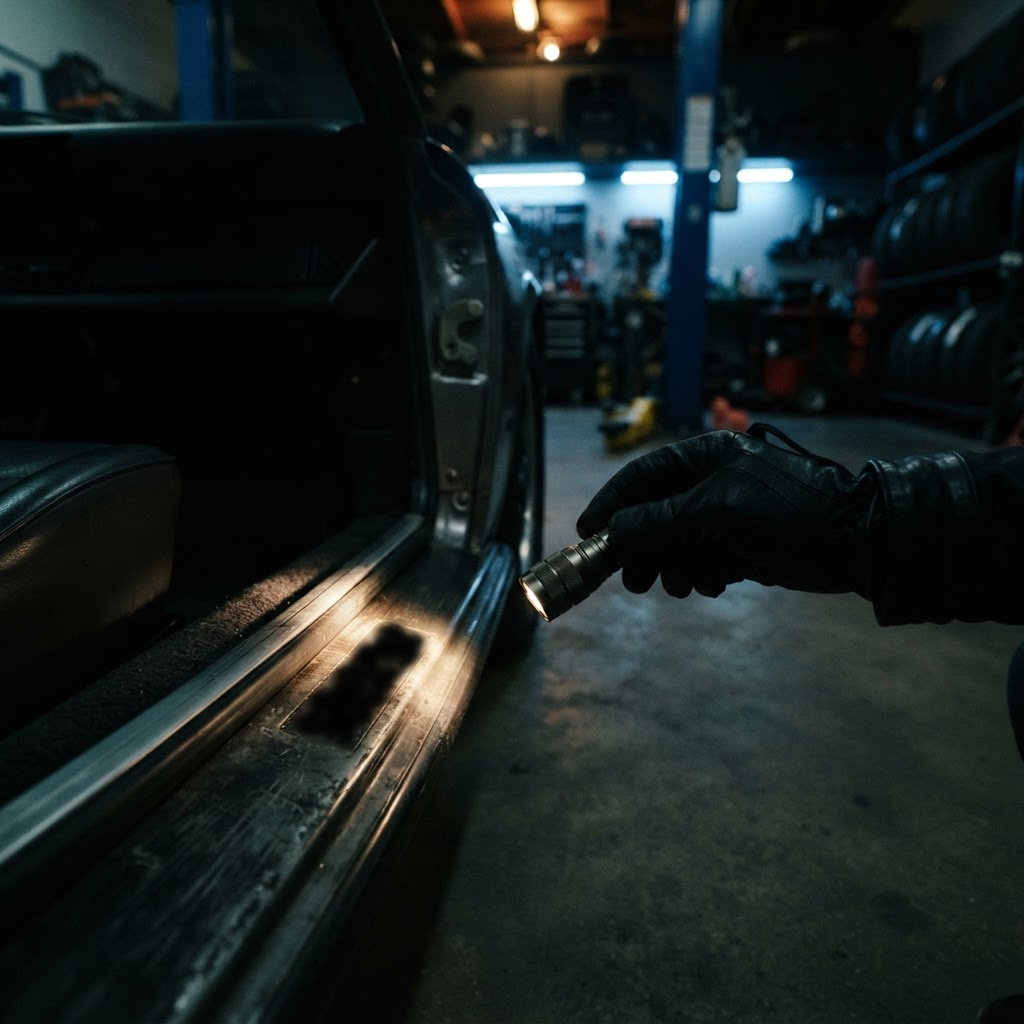
Match every character — or walk away
To check a VIN number: find it on the dashboard plate (visible through windscreen), driver's door sill, and under the bonnet. Compare every character against the VIN/Chassis No. on the V5C logbook front page. All 17 characters must match exactly. Any discrepancy is a red flag. For additional checks, a paid HPI report will cross-reference the vehicle's identity against finance, stolen, and write-off databases.
Step-by-Step VIN Verification Process
Locate VIN on dashboard
Stand outside the car at the driver's side. Look through the windscreen at the bottom of the glass — the VIN plate should be visible on a metal plate or sticker on the dashboard.
Locate VIN on door sill
Open the driver's door. Look at the horizontal metal sill. The VIN may be stamped directly or on a riveted plate.
Check under the bonnet
With the bonnet open, inspect the firewall area and inner wings for a VIN sticker or stamped plate. On some cars it's on the engine cover.
Record each location's number
Write down or photograph each VIN. Every location should show identical 17 characters. Note any location where the plate seems newer than the rest of the vehicle.
Compare against V5C
Open the V5C to the front page. Find 'VIN / Chassis No.' and compare character by character with your notes. Identical on all counts = proceed. Any mismatch = stop.
Cross-check model year
Decode character 10 of the VIN (the model year code). This should align with the year stated on the V5C and the seller's claims.
VIN Tampering: What to Look For
Check the Car's MOT History Too
VIN check is just one step. DVSA MOT history reveals mileage, advisories, and failures — all free.
Check MOT History Free →Frequently Asked Questions
Can I check a VIN number for free in the UK?
How do I verify a VIN matches the V5C?
What does it mean if a car has no VIN plate?
Can a VIN tell me if a car has been in an accident?
Is a VIN check the same as an HPI check?
What year is my car from the VIN?
Related Tools & Resources
What Is a VIN Number
Decode every character
OpenV5C Logbook Guide
Reading the V5C correctly
OpenStolen Car Check
Free and paid stolen checks
OpenFull History Check
Complete step-by-step process
OpenUsed Car Checks Hub
All pre-purchase checks
OpenMOT History Checker
Free DVSA official data
OpenVehicle Report
Full DVLA vehicle details lookup
OpenVehicle Records Hub
All records guides
OpenVIN verification requires physical access to the vehicle and the V5C. MotR is not affiliated with DVLA, DVSA, HPI or GOV.UK. Always verify a VIN in person before purchase. Last reviewed 13 June 2026.
What Is a V5C Logbook
Everything about the V5C — how to read it, verify it, and spot forgeries.