VIN Number · Vehicle Identity
What Does A VIN Number Tell You?
A vehicle's 17-character VIN is its DNA — unique, standardised and packed with information about where it was made, what it is, and when. Here is how to read one.
Official UK dataFree to useInstant resultsNo account needed
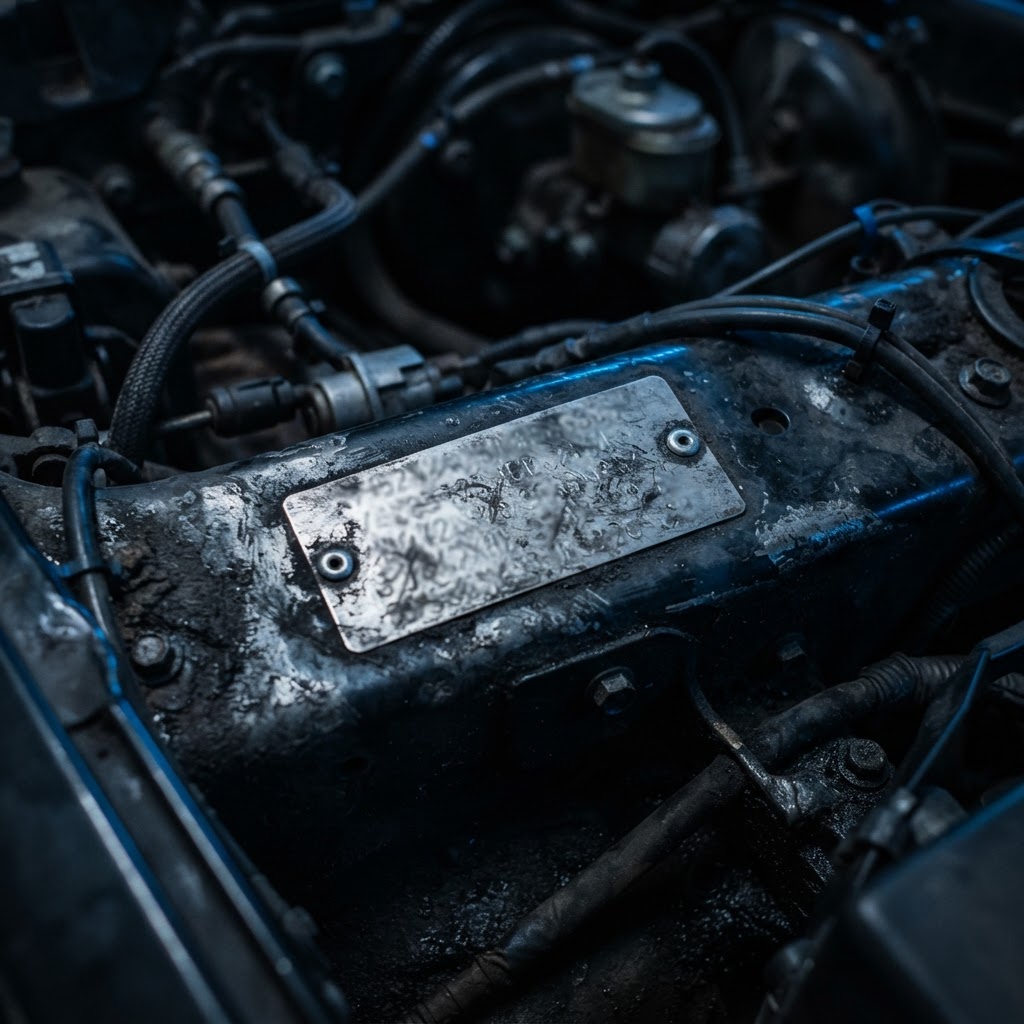
Reading a VIN
A VIN (Vehicle Identification Number) is a 17-character code that uniquely identifies every motor vehicle. It encodes the manufacturer (positions 1–3), vehicle attributes such as model and engine (positions 4–8), a check digit (9), model year (10), plant of manufacture (11), and unique serial number (12–17). No two vehicles share a VIN.
VIN Breakdown: What Each Position Means
| Position(s) | Name | What it encodes |
|---|---|---|
| 1 | World manufacturer identifier (WMI) — country | Country of manufacture (e.g. S = UK, W = Germany, J = Japan) |
| 2 | WMI — manufacturer | Vehicle manufacturer (e.g. VF = Peugeot, VW = Volkswagen) |
| 3 | WMI — vehicle type | Vehicle division or type within the manufacturer |
| 4–8 | Vehicle descriptor section (VDS) | Model, body style, engine type, restraint systems — varies by manufacturer |
| 9 | Check digit | Mathematical validation digit used to verify the VIN is not counterfeit |
| 10 | Model year | Year the model was produced (A=1980, B=1981... cyclically encoded) |
| 11 | Plant code | Manufacturing plant where the vehicle was assembled |
| 12–17 | Sequential serial number | Unique production number identifying this specific vehicle |
Why VINs Matter When Buying Used
Verify the VIN on the vehicle matches the V5C logbook exactly
Check the VIN plate in the engine bay has not been tampered with or reriveted
Cross-reference the VIN against the windscreen etching if present
Run the VIN through a paid check to see recall status, write-off history
A cloned car will have a legitimate VIN plate belonging to a different vehicle
Any alteration to the VIN plate is a criminal offence under the Road Vehicles Regulations
Frequently Asked Questions
What does VIN stand for?
VIN stands for Vehicle Identification Number. It is a standardised 17-character code assigned to every road vehicle manufactured after 1981. The code encodes the manufacturer, country of production, vehicle type, model, engine, model year and a unique serial number.
Can two vehicles have the same VIN?
No. Each VIN is unique to a single vehicle. No two vehicles should ever share a VIN. If a vehicle presents a VIN that matches another car on a database, it is likely that one has a cloned or stamped plate — a serious form of fraud used to disguise stolen vehicles.
What year does my VIN indicate?
Position 10 in the VIN sequence encodes the model year. The encoding uses a specific letter/number sequence: for example, A=1980, B=1981, up to Y=2000, then 1=2001 through 9=2009, then A=2010, B=2011 and so on in a repeating pattern. A VIN decoder can instantly translate this for any vehicle.
Does the VIN tell me the engine type?
Yes. Position 8 of the VIN typically encodes the engine type, though the specific meaning varies by manufacturer. Some manufacturers use this position to indicate engine displacement or configuration. For a definitive reading of engine type from a VIN, use a manufacturer-specific VIN decoder.
Can I find a vehicle's history from its VIN?
Partially. In the UK, DVSA MOT records are indexed by registration number, not VIN. For VIN-based history in the UK, a paid HPI or Experian check will query insurance write-off databases, stolen vehicle databases, and finance records. In the US and some other markets, VIN-based history is more comprehensive.
What if the VIN on my car doesn't match the V5C?
A mismatch between the VIN on the physical vehicle and the V5C logbook is a serious issue. It could indicate the car has been re-plated, the V5C belongs to a different vehicle, or the VIN plate has been tampered with. Do not buy a vehicle with a VIN mismatch and report concerns to police.
Related Tools & Resources
DVLA Data Guide
Full data guide hub
OpenWhere To Find VIN
All VIN locations on a car
OpenWhat Is A VIN?
VIN basics explained
OpenCheck A VIN
How to verify a VIN
OpenVehicle Records
Full records hub
OpenUsed Car Checks
Pre-purchase hub
OpenMOT History
DVSA test records
OpenBefore You Buy
Full buying checklist
OpenVIN structure follows the ISO 3779 standard. UK MOT records are indexed by registration, not VIN. MotR is not affiliated with DVLA, DVSA, or any vehicle manufacturer. Last reviewed 13 June 2026.
Keep reading
Open Where To Find A VIN Number
Every location the VIN appears on a vehicle and in its documentation.