EPC Warning Light
Exclusive to VW Group vehicles — Volkswagen, Audi, SEAT, and Skoda. The Electronic Power Control warning is one of the most misunderstood lights on these cars. Here's what it actually means.
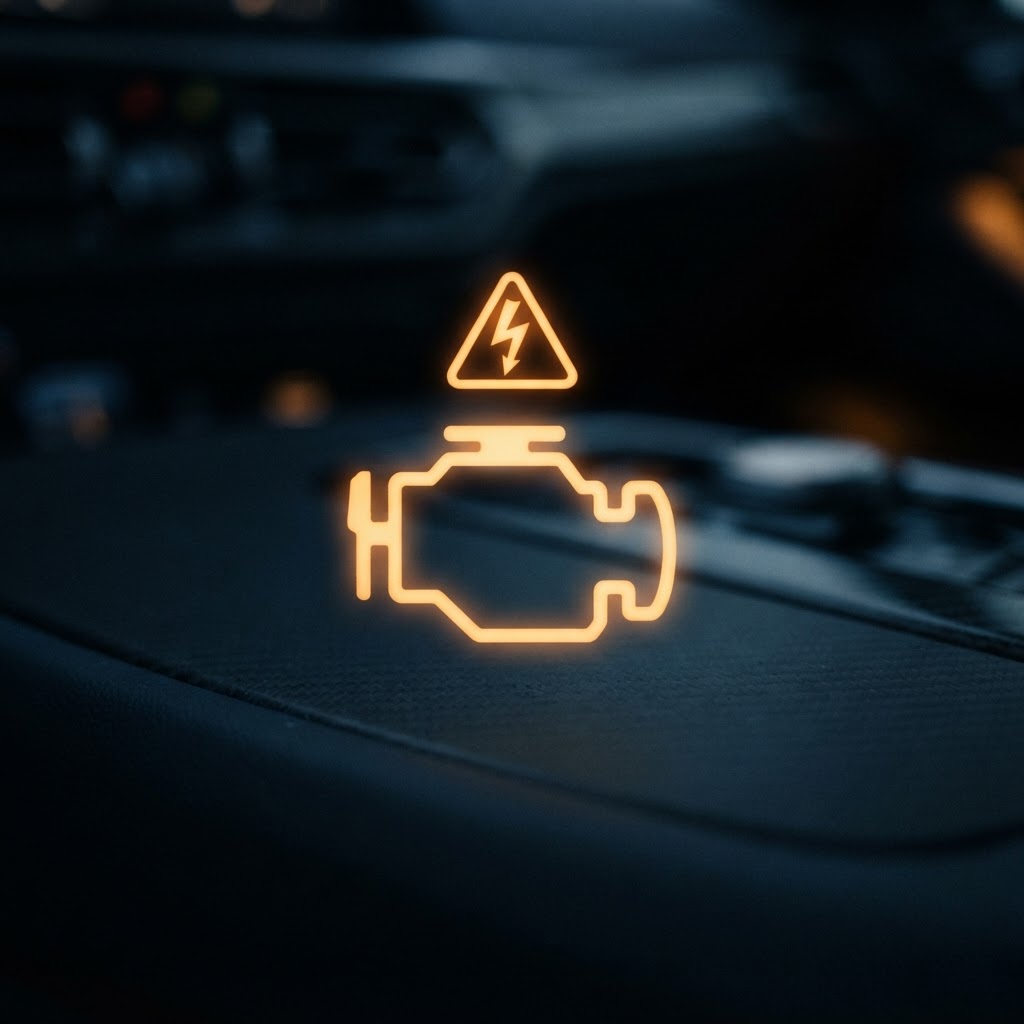
What This Warning Light Means
EPC stands for Electronic Power Control. It is a warning light exclusive to Volkswagen Group vehicles (VW, Audi, SEAT, Skoda, Porsche, Bentley, and Lamborghini). It indicates a fault within the electronic throttle control system — the system that controls how the engine responds to accelerator pedal input. In many cases, the car will enter a reduced power or limp mode to protect itself. Unlike some warnings, EPC covers a wide range of potential faults and requires proper diagnostic scanning to identify the specific cause.
How Serious Is It — and What To Do
🟡 Variable — Could Be Minor or Serious
The EPC light ranges from a minor brake switch fault (£15 part) to a significant throttle body failure (£400+). If the car has gone into limp mode with reduced power, drive carefully to a garage. If the car drives normally, arrange a diagnostic scan soon — do not leave it weeks.
Can drive with caution
If the car drives normally, you can drive cautiously to a garage. If the car has entered limp mode (noticeably reduced power, may not rev above 3,000rpm), drive slowly to the nearest safe stopping point or garage. Do not attempt a long motorway journey in limp mode.
Stop immediately if…
Common Causes
Can It Fail an MOT?
🔍 MOT Implications
Typical UK Repair Costs
| Issue | Likelihood | Est. UK cost | DIY? |
|---|---|---|---|
| Faulty Brake Light Switch | Very Common on VAG vehicles — often overlooked | Switch cost: £10–£25. Labour: 20 minutes. Total: £30–£80 | Yes |
| Throttle Body Fault or Contamination | Common — especially in VAG petrol engines | Throttle body clean: £80–£150. Replacement throttle body: £200–£600 parts and labour | Pro |
| Mass Airflow Sensor (MAF) Fault | Common | MAF sensor replacement: £100–£300 | Pro |
| Accelerator Pedal Position Sensor | Less Common | Pedal assembly replacement: £100–£280 | Pro |
| ABS / Traction Control Fault Feeding EPC | Common — particularly after wheel alignment or battery work | Depends on root cause — see ABS warning light guide | Pro |
Costs are estimates based on UK independent garages. Main dealer prices may be higher.
Common Fixes in Detail
Faulty Brake Light SwitchVery Common on VAG vehicles — often overlooked
The brake light switch sits on the brake pedal bracket and tells the engine management system when the brakes are applied. A faulty switch causes the engine to receive incorrect signals about braking events, triggering the EPC. Replacement is inexpensive and straightforward. First check your brake lights are functioning — if they're not working, this is almost certainly the cause.
Switch cost: £10–£25. Labour: 20 minutes. Total: £30–£80
DIY possible
Throttle Body Fault or ContaminationCommon — especially in VAG petrol engines
The electronic throttle body controls airflow into the engine by varying the angle of a butterfly valve. Carbon deposits can build up on the valve and housing, causing it to stick. Cleaning the throttle body (a common service item on VAG vehicles) often resolves EPC lights. If the throttle body has failed mechanically, replacement is required.
Throttle body clean: £80–£150. Replacement throttle body: £200–£600 parts and labour
Professional repair required
Mass Airflow Sensor (MAF) FaultCommon
The MAF sensor measures the volume of air entering the engine. A contaminated or failing sensor sends incorrect data, causing the ECU to calculate wrong fuel mixtures. This affects power output and triggers EPC and engine management warnings. Cleaning with specialist MAF cleaner sometimes resolves the fault; failed sensors require replacement.
MAF sensor replacement: £100–£300
Professional repair required
Accelerator Pedal Position SensorLess Common
The accelerator pedal on VAG vehicles contains integrated position sensors (usually two for redundancy). If these sensors develop a fault, the engine management system cannot accurately read driver demand, triggering EPC and potentially limp mode. Replacement involves swapping the entire pedal assembly.
Pedal assembly replacement: £100–£280
Professional repair required
ABS / Traction Control Fault Feeding EPCCommon — particularly after wheel alignment or battery work
VAG vehicles integrate ABS and traction control inputs into engine management. A wheel speed sensor fault or steering angle sensor miscalibration can trigger EPC alongside ABS/TC warnings. Resolving the ABS fault typically clears the EPC light simultaneously.
Depends on root cause — see ABS warning light guide
Professional repair required
Ownership & Maintenance
Long-Term Impact
Good Habits
Recurring Issues
Vehicle Health
Frequently Asked Questions
What cars get the EPC warning light?
Can I fix an EPC light myself?
Why has my car gone into limp mode with the EPC light on?
Can a weak battery cause the EPC light?
How much does it cost to diagnose an EPC light?
Will the EPC light clear itself?
Related Tools & Resources
Warning-light guidance is general UK advice and does not confirm manufacturer-specific behaviour — always check your vehicle handbook. Any illuminated warning light at the time of the MOT test is an automatic failure under the 2018 DVSA rules. MotR is not affiliated with DVLA, DVSA or any vehicle manufacturer. Last reviewed June 2026.