Car Maintenance Guide UK
A well-maintained car is cheaper to own, safer to drive, and worth more when you sell it. This is the complete guide to every maintenance task UK drivers should know about.
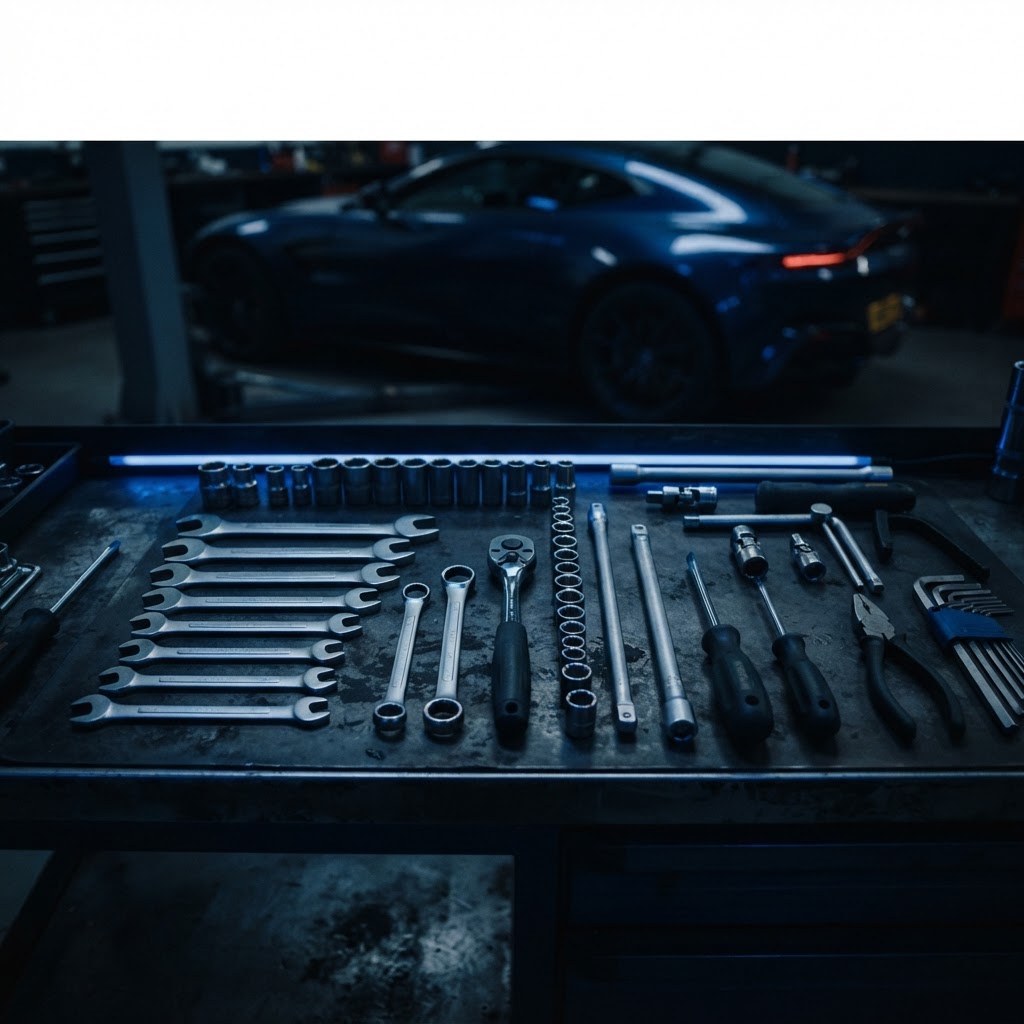
The single most effective way to avoid expensive breakdowns
Regular car maintenance means servicing every 12 months or 12,000 miles, changing brake pads when they reach 3mm or below, replacing tyres when tread drops below 3mm (legal minimum is 1.6mm), checking the timing belt at manufacturer intervals, and running a full seasonal check before winter. Staying on top of routine maintenance is the single most effective way to avoid expensive breakdowns and preventable MOT failures.
Complete Car Maintenance Guides
Ten expert guides covering every aspect of car maintenance for UK drivers.
How Often Should You Service Your Car
Service intervals by car age, mileage and manufacturer recommendations.
Read guide →ServicingInterim vs Full Service
What each service covers, when you need which, and how much each costs.
Read guide →BrakesWhen To Change Brake Pads
Warning signs, thickness limits, costs, and the safety implications.
Read guide →TyresWhen To Replace Tyres
Legal tread depth, age limits, wear patterns, and replacement costs.
Read guide →ElectricsHow Long Does A Car Battery Last
Battery lifespan, warning signs of failure, and replacement guide.
Read guide →EngineTiming Belt Replacement Guide
Intervals, costs, and the catastrophic risks of leaving it too long.
Read guide →DrivetrainClutch Replacement Cost UK
Full cost breakdown, warning signs, and what to expect at the garage.
Read guide →RecordsCar Service History Guide
Why service history matters, what it should show, and stamp fraud.
Read guide →SeasonalWinter Car Checklist UK
Battery, tyres, antifreeze, lights and everything else before winter.
Read guide →MOT PrepPre-MOT Checklist UK
Check every item before your MOT to avoid a preventable failure.
Read guide →Typical UK Car Maintenance Schedule
| Task | Typical interval | DIY possible? | Typical cost |
|---|---|---|---|
| Engine oil & filter | 12 months / 12,000 miles | Yes — intermediate skill | £80–£180 (incl. labour) |
| Air filter | 2 years / 20,000 miles | Yes — easy | £20–£50 |
| Cabin pollen filter | 1–2 years | Yes — easy | £15–£40 |
| Spark plugs (petrol) | 30,000–60,000 miles | Yes — moderate skill | £60–£150 |
| Brake fluid | 2 years | No — specialist kit needed | £40–£80 |
| Coolant flush | 3–5 years | No — specialist equipment | £60–£120 |
| Brake pads (front) | ~30,000–50,000 miles | No — most drivers | £100–£200 per axle |
| Tyres (per tyre) | When tread < 3mm or 5 years | No — specialist only | £80–£200 each |
| Timing belt/chain | 40,000–100,000 miles | No — specialist only | £300–£700 |
| Battery | 4–7 years / when failing | Possible — check manual first | £80–£200 fitted |
| Clutch | 80,000–150,000 miles typical | No — specialist only | £500–£1,200 |
| Windscreen wipers | 12–18 months or when smearing | Yes — easy | £20–£50 a pair |
Warning Signs You Should Never Ignore
Dealer vs Independent Garage: Which Should You Use?
Independent garages are typically 30–50% cheaper than main dealers for identical work. A full service at a reputable VAT-registered independent does not void your statutory warranty rights — the European Block Exemption Regulation protects this. However, there are situations where a dealer is the right choice:
Use an independent when:
Use a dealer when:
Track Your Car's MOT & Service History — Free
Check your MOT history, set reminders, and build a complete ownership record with MotR.
Check MOT History Free →Frequently Asked Questions
How often should I service my car?
What happens if I skip a service?
What is the difference between an interim and a full service?
How can I tell if my car needs new brake pads?
When should I replace my timing belt?
Does a full service improve my MOT chances?
Related Tools & Resources
Vehicle Ownership Costs
Total annual running cost breakdown
OpenAverage Service Costs
Interim, full and major service prices
OpenMaintenance Costs UK
Brakes, tyres, battery, exhaust
OpenMOT Failures Hub
What fails an MOT and why
OpenMOT Status Check
Free DVSA check — is it valid?
OpenMOT History Checker
Every test, mileage, advisory
OpenWarning Lights Guide
What every dashboard light means
OpenVehicle Report
Full DVLA vehicle details lookup
OpenMaintenance intervals and costs are indicative UK figures for 2026 and vary by manufacturer and model. Always confirm the exact service interval and specification in your owner's handbook. MotR is not affiliated with DVLA, DVSA or any vehicle manufacturer. Last reviewed 13 June 2026.
How Often Should You Service Your Car
The starting point for every maintenance schedule — service intervals by car type and mileage.