MotR
Selling A Car · DVLA Checklist

Selling A Car DVLA Checklist

Failing to notify DVLA when you sell a car can leave you liable for fines, speeding notices and tax for a vehicle you no longer own. Here is every step to protect yourself on the day of sale.
Official UK dataFree to useInstant resultsNo account needed
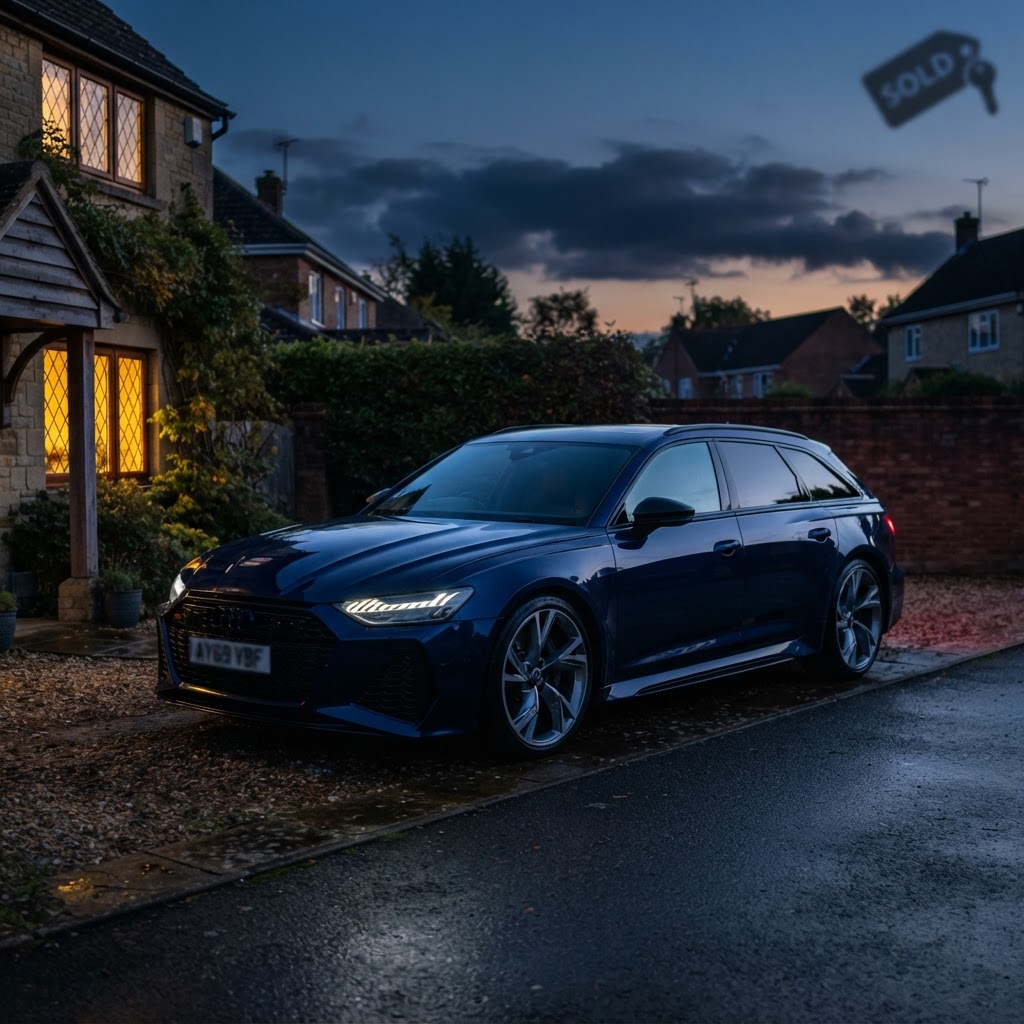
A UK car parked in a residential driveway at dusk with a faint sold-tag silhouette under electric-blue light
The short answer

Selling A Car DVLA Checklist

On the day of sale: tear out V5C/2 (new keeper supplement) and give to buyer. Complete 'sold or transferred' section of main V5C and post to DVLA Swansea SA99 1BA, or notify online at GOV.UK. Cancel insurance. Keep a receipt. DVLA will cancel your tax and post a refund for full months remaining. This protects you from liability for the vehicle after sale.

Day of sale

Seller Checklist: Day of Sale

Confirm sale with a written receipt — registration, VIN, date, price, both parties' names
Tear out the V5C/2 new keeper supplement and hand to buyer with the vehicle
Complete section 6 of the V5C ('sold, transferred or scrapped') with today's date and buyer's name
Post the completed V5C to DVLA Swansea SA99 1BA — or notify online same day at GOV.UK
Notify your insurer immediately to cancel or transfer your policy
Keep a note of the sale date, buyer's name and the reference number from the V5C
Await your VED refund cheque — arrives within 4–6 weeks for full months remaining
Do NOT give the buyer the full V5C — only the V5C/2 goes with the vehicle
Protect yourself

Why Notification Matters

If you don't notify DVLA

You remain the registered keeper on DVLA's records. Parking fines, speeding notices, congestion charges and unpaid road tax for the vehicle can all come back to you. Notify DVLA on the day of sale and keep proof — it is the single most important step a seller can take.

Check Vehicle Status Before Selling

Tax status, MOT status, vehicle spec — all from official DVLA/DVSA data, free.

Check Tax Status →
Questions & answers

Frequently Asked Questions

What do I legally have to tell DVLA when I sell my car?
You must notify DVLA that you have sold or transferred the vehicle. Do this by completing section 6 of the V5C and sending it to DVLA, retaining the V5C/2 new keeper supplement for the buyer. Alternatively, notify online at gov.uk. Failure to notify means you may remain liable for the vehicle — including parking fines, speeding notices, and unpaid road tax.
Should I give the buyer the V5C or the V5C/2?
Give the buyer only the V5C/2 — the yellow new keeper supplement (the tear-off section). The main V5C logbook should be completed and posted to DVLA, or the sale notified online. Never give the buyer the full V5C — this is a common mistake that can create complications for both parties.
Do I need to tell the insurance company I've sold the car?
Yes. You should notify your insurer immediately upon sale to cancel your policy (or transfer it to a new vehicle). You may be entitled to a refund on unused premium. Failing to notify your insurer and continuing to receive reminders or make claims on a vehicle you no longer own creates potential legal and financial complications.
What happens to my road tax when I sell?
Your road tax is automatically cancelled from the date DVLA records the sale. You will receive a refund for full calendar months remaining by cheque to your V5C address. Do not agree to include the tax in the sale price as a benefit to the buyer — tax does not transfer and the buyer must tax the vehicle themselves.
Do I need a receipt when selling a car privately?
There is no legal requirement for a formal receipt, but it is strongly recommended for both parties. A signed receipt stating the registration number, VIN, sale date, price, and both parties' names creates a clear record. It protects the seller if the buyer claims the vehicle had undisclosed faults, and helps the buyer demonstrate legitimate ownership.
What if I sell a car with a known fault?
Under the Consumer Rights Act 2015, if you are selling as a private individual to another private individual, the buyer takes the vehicle 'as seen'. However, deliberately concealing or misrepresenting known faults can expose you to legal action. Be honest in your description; make clear the vehicle is sold as seen and note any known issues in the sale receipt.
Related tools

Related Tools & Resources

Seller notifications are made via the official DVLA service at GOV.UK. MotR is not affiliated with DVLA, DVSA or GOV.UK. Last reviewed 13 June 2026.

Keep reading

Buying A Car DVLA Checklist

Every step buyers must take on the day of purchase and in the weeks that follow.

Open