MOT Mileage Discrepancy Explained
Every MOT test records the vehicle's odometer. A mileage decrease between any two consecutive tests is one of the clearest indicators of odometer fraud. Here is how to read DVSA records and what to do when something does not add up.
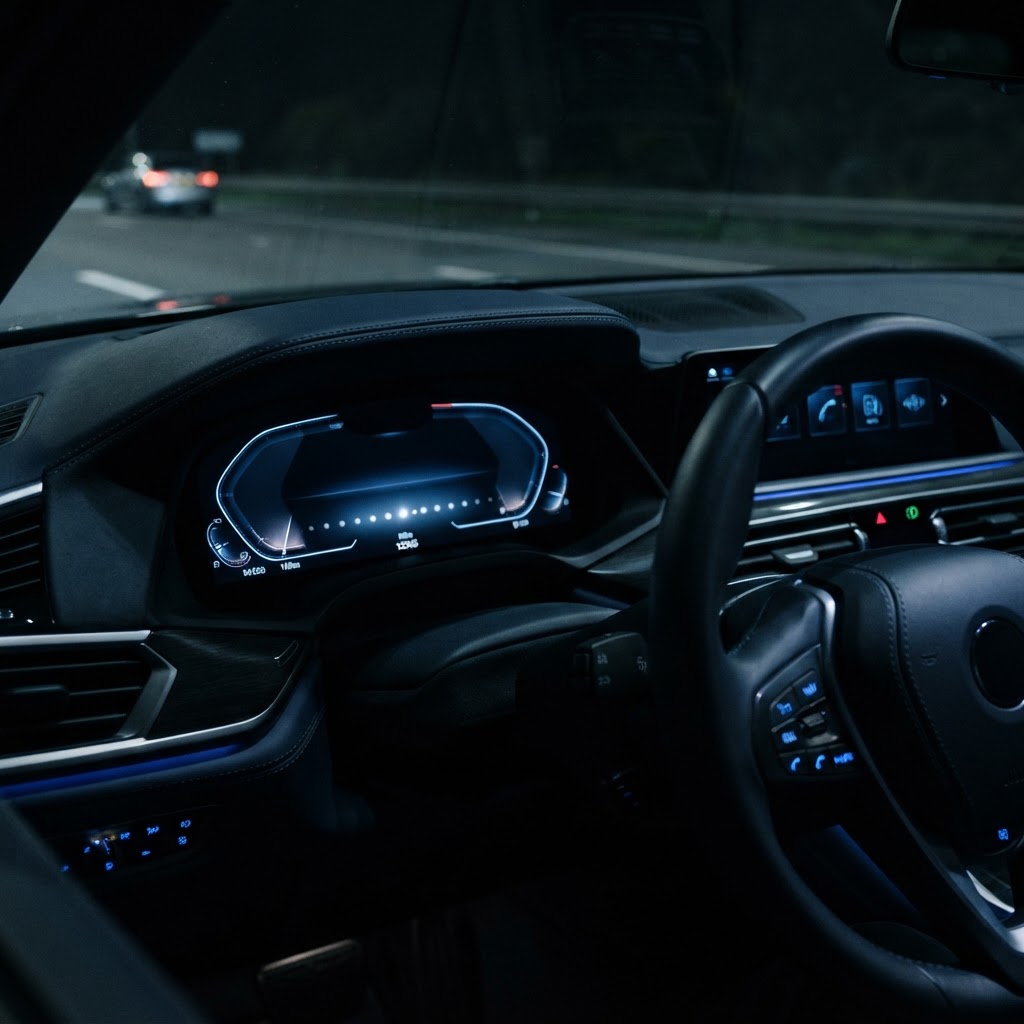
MOT Mileage Discrepancy Explained
An MOT mileage discrepancy is when a vehicle's recorded mileage at one test is lower than at a previous test. Since mileage can only legitimately increase, any decrease — even by a single mile — is a strong indicator of odometer fraud (clocking). DVSA MOT records are the most reliable free tool to detect this. Check the full mileage timeline before buying any used car.
How DVSA MOT Records Expose Mileage Fraud
At every MOT test, the examiner records the odometer reading from the vehicle's dashboard. These readings are entered into the DVSA national database and form a permanent, unalterable timeline of the vehicle's mileage history. The person selling the car cannot access or change these records — which makes them the most powerful free fraud-detection tool available to any UK buyer.
A clocked vehicle will often display consistent, believable-looking mileage — but the DVSA records will reveal the original readings taken at each annual test. The fraudster can change the dashboard odometer, but they cannot change history.
How To Read MOT Mileage Records
Pull the full test history
Use MotR's free MOT History Checker. Every test since 2005 will be listed in chronological order with its mileage reading.
Read chronologically oldest to newest
Look at the mileage sequence from the earliest test to the most recent. Each entry should be larger than the last.
Calculate annual mileage
Divide the difference between any two readings by the time between tests. UK average is 7,500–10,000 miles per year. Significant variation is worth questioning.
Flag any decrease
Any reduction in mileage between consecutive tests — no matter how small — is a red flag. Do not accept a verbal explanation without documentary evidence.
Check the final reading vs current odometer
Compare the most recent MOT mileage against the odometer you see in the car. If the car claims fewer miles now than at its last test, something is seriously wrong.
Types of Mileage Discrepancy
| Type | Example | Likely cause | Action |
|---|---|---|---|
| Mileage decrease | 90,000 at 2022 test → 72,000 at 2023 test | Odometer tampered (clocking) | Walk away unless documented odometer replacement |
| Mileage reset | High mileage to suspiciously low in single jump | Dashboard swap with lower-reading cluster | Demand documented repair history |
| Mileage stagnation | Same reading across 3+ consecutive tests | Non-use (acceptable if on SORN) or odometer fault | Investigate with seller |
| Sudden large jump | 10,000 avg per year, then 40,000 in one year | High-use period (new owner, job change) | Investigate but not necessarily fraudulent |
Check The Full Mileage Timeline Free
Every mileage reading from every MOT test. Official DVSA data. Takes 30 seconds.
Check MOT Mileage History →Frequently Asked Questions
What is an MOT mileage discrepancy?
Is a small mileage discrepancy always clocking?
What if there is a very large mileage jump between tests?
Can mileage be legitimately lower at one point?
Does DVSA investigate mileage discrepancies?
What should I do if I spot a mileage discrepancy when buying a car?
Related Tools & Resources
MOT History
Full DVSA records
OpenMileage Check Guide
Verify mileage before buying
OpenClocked Mileage Signs
Physical clocking indicators
OpenCertificate Check
Verify the cert is genuine
OpenUsed Car Checks
Full pre-purchase guide
OpenMOT Rules Guide
Full UK MOT overview
OpenRed Flags UK
Warning signs when buying
OpenBuying Checklist
40-point inspection
OpenMOT mileage readings are recorded by DVSA at every test since 2005. MotR is not affiliated with DVLA, DVSA or GOV.UK. Report suspected fraud via the official GOV.UK mechanism. Last reviewed 13 June 2026.
When Is My MOT Due?
How to find your MOT due date and set reminders so you never let it lapse.